

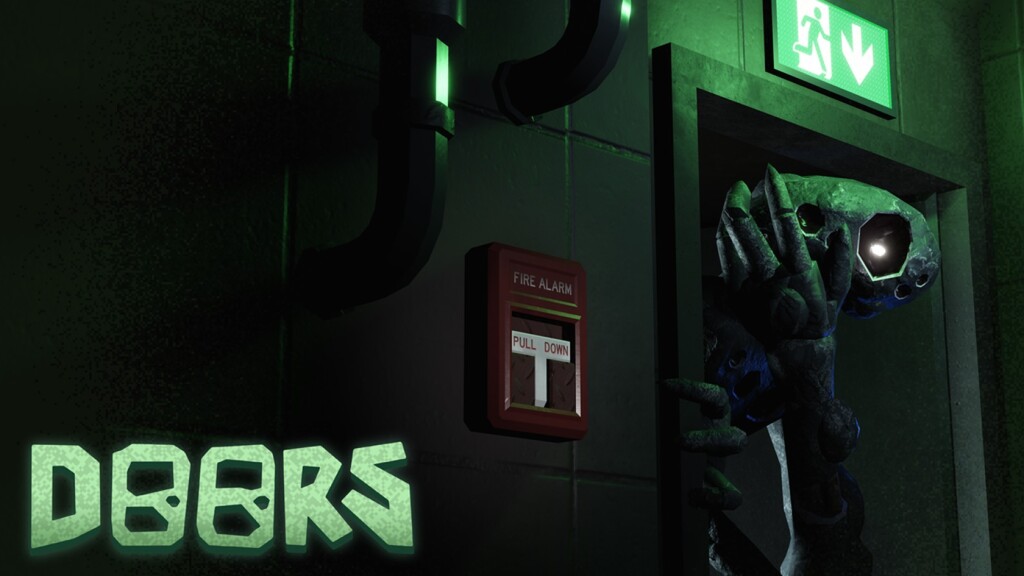
DOORS is a horror game built around one verb: opening the next door. The developer's own description recommends entering without a guide and treating every death as a lesson, and that is genuinely the best way to play. But once you have died enough times, you start asking a fair question - which items actually matter? This is a DOORS tier list that answers it by job rather than by name.
A named item list goes stale the moment the shop rotates, and it also teaches the wrong lesson: you memorise an item instead of learning what it is for. DOORS entities are best understood as families, because the behaviour pattern is what kills you rather than the name. Items should be ranked the same way - by the situation they rescue you from.
Anything that cancels a threat outright rather than helping you survive it. Rush-type entities charge through a room on a signal and the counter is always the same - find a hiding space and stay in it until the sound passes. When that is not available, an item that ends the encounter is the difference between a run continuing and a run ending. Nothing else in the game competes with this, which is why this tier is the whole top of the list.
Healing and revives. Figure-type listeners react to noise and light, and the damage you take from them is survivable if you can top yourself back up before the next room. The game's own safety net sits here too: joining the developer's group grants a free revive. Items in this tier do not win a room, they stop one bad room from ending the run.
Light is more valuable in DOORS than in most horror games because the darkness is a mechanic, not just an aesthetic. But it is a tier below escape and sustain for a specific reason: light helps you avoid a threat, and A-tier items help you survive one you failed to avoid. Worth carrying, not worth hoarding over an escape tool.
Tools that open shortcuts, unlock rooms faster, or convert into currency. Useful, and the first thing to drop when your inventory is contested. Room-specific gimmicks - the ones that punish looking, opening the wrong door, or going alone - are mostly solved by patience rather than by an item, which is why the utility tier is where most of the shop sits.
We are not publishing prices or a fixed stock list. The shop rotates, prices are not published in a stable form, and a frozen table presented as current is how players end up saving for the wrong thing. Use the rubric: escape first, sustain second, light third, utility last, and re-evaluate whenever you meet an entity family that breaks the pattern. The wiki page covers the entity families and the item buckets in more detail.