


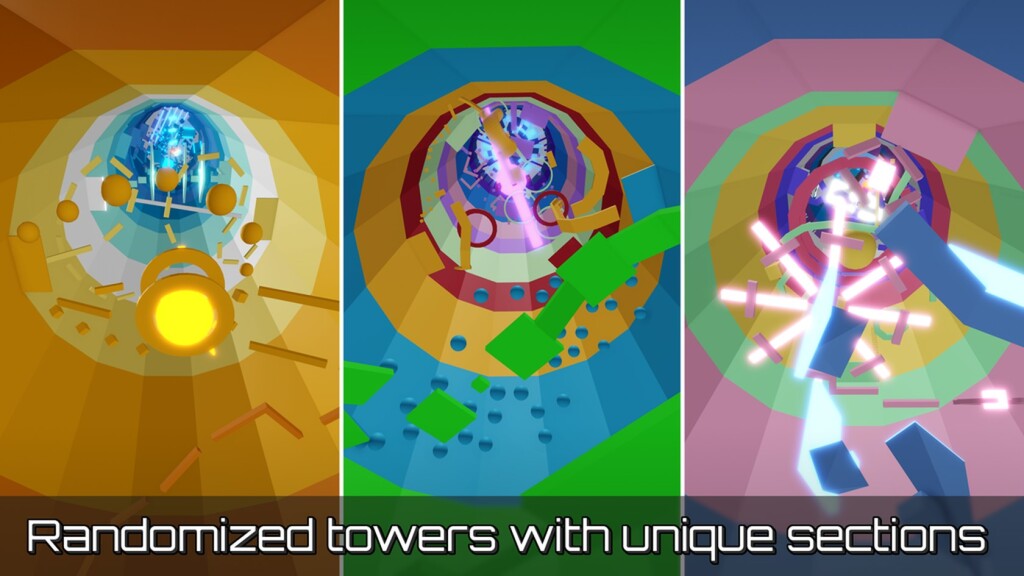
Most "Tower of Hell tier list" pages publish a fixed ranking of tower sections. That is the wrong way round, and here is the official reason: the developer, YXceptional Studios, describes the game as "randomly generated obby with absolutely no checkpoints at all". A generated tower has no stable roster to rank, so any fixed list is ranking something the game does not guarantee you will see.
Instead of ranking towers, rank the obstacle demands the generator can produce. Four axes cover essentially everything the tower throws at you:
Scored this way, the hardest generated sections are the ones that combine high precision demand with high commitment cost and low readability. That is a durable answer, because it stays true regardless of what the generator rolls.
The absence of checkpoints is not a difficulty setting, it is the whole game. It means routing decisions are permanent and that a single late mistake costs the entire climb. Practically: bank progress by finishing a climb rather than by getting high, and treat the top of a section as a decision point about whether to continue.
The description states that owners of VIP servers can, through the settings menu, skip rounds, set the tower size and lock the shop. That is the only officially documented way to alter tower parameters — useful for practising a specific height band.
For the mechanical detail behind the generator, see the Tower of Hell wiki on random generation and zero checkpoints; for technique, our Tower of Hell guide to stages and winning the climb. The same rubric-first method is applied in how DOORS items rank in a tier list, and other course-based titles sit in the obby and parkour category.
Live figures are on the Tower of Hell game page.