

New players misread this kind of directory in predictable ways, because the numbers look like they mean one thing and usually mean another. Here are the six mistakes that come up most often, each one anchored to a real figure from the current snapshot of 85 games.
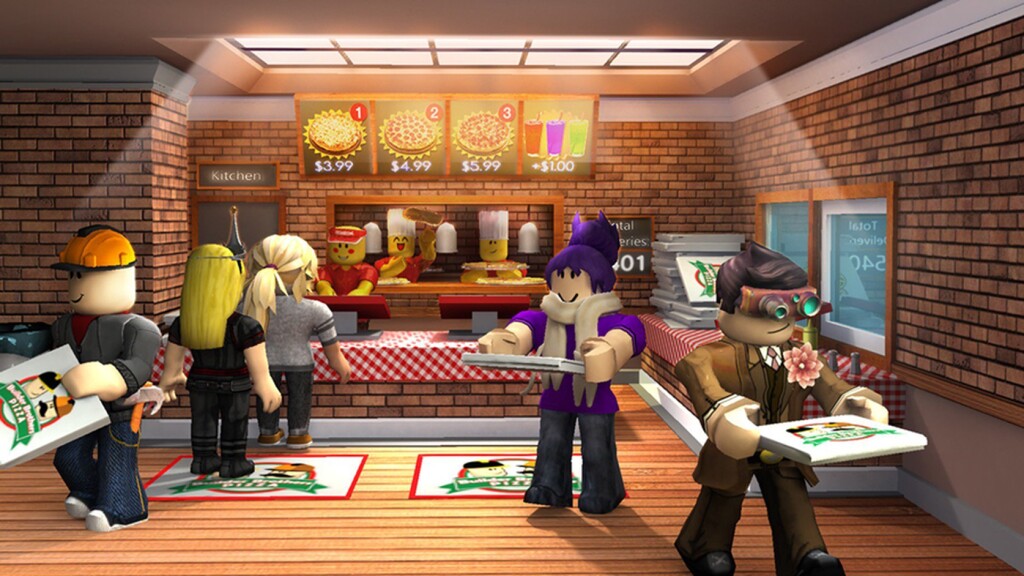
Work at a Pizza Place carries 5,621,620,097 all-time visits and 3,826 people playing right now. MeepCity carries 16,279,228,236 visits and 107 concurrent. Both are enormous historical games with small present populations. If you pick by visits you will join an empty server and conclude the directory is wrong. why a visit count is not a popularity count covers why the two columns diverge.
Across the 85 tracked games, 22 have any working codes at all and 63 have none. The largest single list is 54 entries short of what most people expect spread across the whole directory. A short list is normal. A page offering forty working codes for one game is not a sign of generosity; it is a sign that nobody checked. how code lists are verified before they are published sets out what verification actually involves.
[] Adopt Me! shows 65,311 concurrent players and 728 all-time visits, with a 27.3 per cent approval rate. Those three numbers cannot all be true at once. When a record is internally inconsistent, the correct response is to discard it, not to average it. Flagged, not used.
Blox Fruits has 65,158,893,726 all-time visits and currently holds 155,557 concurrent players. It is one of the most-attended games on the platform and therefore one of the most-targeted. Scams follow concurrency, because that is where the accounts are. Being in the busiest room is the reason to be careful, not the reason to relax.
The distribution is lopsided in a way that surprises everyone. Of the 85 tracked games, 22 have any working codes at all, and the overwhelming majority of those have a single entry. Only a handful carry more than one, and the largest list in the directory belongs to Blox Fruits.
That shape is not stinginess. A code is a marketing instrument with a short shelf life: it is released to mark an update, a milestone or a collaboration, and it is retired when the moment passes. A game that ships continuously will have a rotating list of one or two live entries, not a permanent catalogue. A game with nothing to announce has none, and a game whose list has not changed in months is a game that has not shipped anything.
So the length of the list is a signal, but not the one most people think. It tells you about release cadence, not generosity. The useful question is not "how many codes does this game have" but "has this list changed recently" — and that is exactly what a dated directory page lets you answer and a scraped aggregator does not.
Approval is the only public measure that can go down. Tower of Hell sits at 73.6 per cent against a directory average of 89.61 per cent, and Arsenal at 88.5 per cent. Neither figure makes those games bad; both tell you something real about how players who actually played them rated the experience. Read it before you commit an evening.
| Game | All-time visits | Playing now | Approval |
|---|---|---|---|
| Work at a Pizza Place | 5,621,620,097 | 3,826 | 92.9% |
| Arsenal | 6,324,354,549 | 4,179 | 88.5% |
| Tower of Hell | 29,308,825,778 | 12,503 | 73.6% |
| MeepCity | 16,279,228,236 | 107 | 84.8% |
| [] Adopt Me! | 728 | 65,311 | 27.3% |
A shooter and a simulator have different session lengths, different visit accumulation rates and different concurrency profiles, so a direct comparison of raw visits between them is meaningless. Arsenal and Work at a Pizza Place have comparable visit counts and completely different audiences, at 4,179 and 3,826 concurrent respectively. Compare within a category, or compare ratios, not raw totals. the roleplay genre page is the fastest way to keep a comparison inside one category.
The sixth mistake above is about comparing across categories, but there is a related one worth naming separately: comparing a game against itself across time without checking whether the sample changed. If the directory grows from 79 tracked games to 85, every percentile shifts, and a game can appear to climb or fall without a single one of its own figures moving. Always check whether the population changed before you interpret movement in a ranking.
The other trap is treating a single snapshot as a trend. Concurrency in particular swings by time of day and day of week, and the difference between a weekend evening and a Tuesday morning is large enough to reorder the middle of the board completely. One reading tells you what is true now. Two readings a day apart tell you almost nothing more. A week of readings starts to be a trend.
None of this makes the data unusable. It makes it conditional, and the condition is easy to state: read the columns together, check the sample size, and prefer a game's own figures over its position in any ranking.
Pick by concurrent players first, because that is who you will actually meet. Check approval second, because that is what the people who played thought. Check the code list third, and expect it to be short — the Work at a Pizza Place code page is a realistic example with a single working entry. Then check whether the game has a private server, which is the one lever that changes the crowd from random to invited.
the October 27 version of this list runs through the same six mistakes with the late-October figures, and the list has not changed — only the numbers have. a data-led starting point for a first game turns the whole thing around into a positive procedure for choosing a first game.