

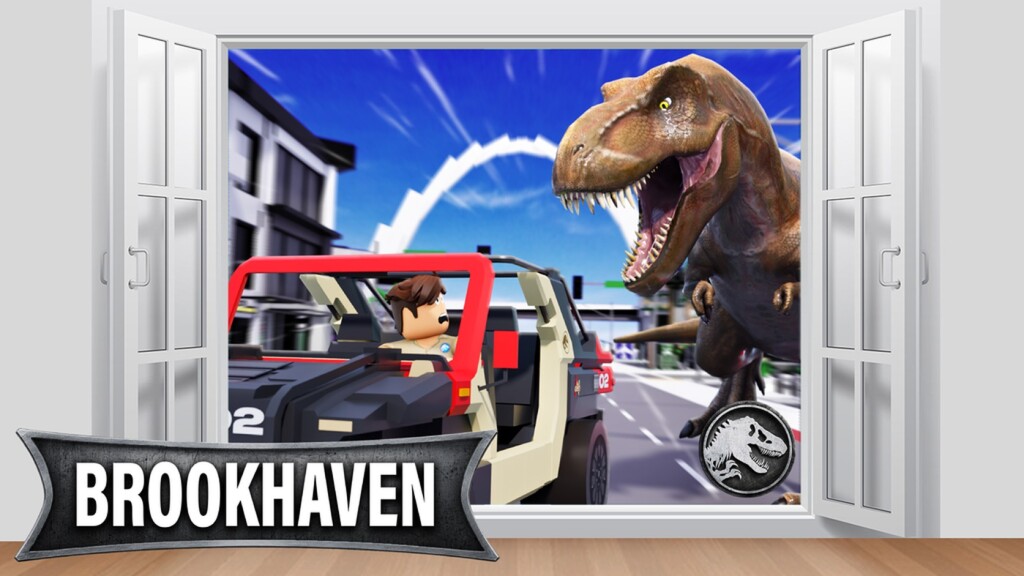
A private server is the same experience with the door closed: the same map, the same mechanics, and a guest list you control instead of a lobby assigned at random. It is the single most useful feature on this platform for anyone who wants to decide who they are playing with, and right now 17 of the 85 tracked games offer one.
Three things change and one does not. What changes: who can join, whether progress persists when the host leaves, and how much of the game's social surface you are exposed to. What does not change: the game itself. A private server is not a different mode; it is the same game with a different admission policy.
The practical consequences are larger than they sound. A private server removes the stranger from the equation entirely, which is why it appears in the parent checklist for reading game numbers as the most effective single step available to a parent. It also converts a competitive lobby into a practice room, which is the reason experienced players use them. And it makes scheduled play possible — a group can agree on a time and know the room will exist.
The cost is usually recurring. A private server is one of the few commitments on this platform that renews whether or not you use it, and that is worth knowing before you open one.
| Game | Playing now | All-time visits | Approval |
|---|---|---|---|
| Steal An Egg | 1,035,679 | 9,950,444,946 | 91.6% |
| Murder Mystery 2 | 468,607 | 31,966,332,817 | 90.8% |
| Brookhaven RP | 435,046 | 89,056,490,507 | 85.9% |
| [] Steal a Brainrot | 346,237 | 74,259,544,222 | 85.1% |
| RIVALS | 223,152 | 19,051,150,147 | 93.7% |
| 99 Nights in the Forest | 158,200 | 30,332,109,588 | 90.5% |
| Blox Fruits | 155,557 | 65,158,893,726 | 92.3% |
| [SKY ASSASSIN] Jujutsu Shenanigans | 152,489 | 7,824,877,842 | 86.3% |
| Dandy's World [ALPHA] | 108,397 | 7,832,367,121 | 87.9% |
| The Strongest Battlegrounds | 84,908 | 19,537,628,134 | 83.7% |
| DOORS | 34,281 | 7,980,045,548 | 93.0% |
| Sol's RNG [ Eon 1-29 ] | 33,378 | 2,260,934,697 | 91.4% |
| Blade Ball | 13,815 | 6,517,065,797 | 93.5% |
| Tower of Hell | 12,503 | 29,308,825,778 | 73.6% |
| [CDR & DD] Your Bizarre Adventure | 7,408 | 2,298,350,097 | 88.8% |
| Jailbreak | 5,691 | 8,083,299,809 | 87.7% |
| Arsenal | 4,179 | 6,324,354,549 | 88.5% |
Those 17 games hold 3,279,527 concurrent players between them, which is 69.8 per cent of everyone playing across the 85 tracked titles. That is a substantial share of live traffic sitting behind a feature most players never check for.
The remaining 68 games do not offer one. That absence is rarely a design statement; it usually reflects a game built around matchmaking or around a shared persistent world, where a private instance would break the loop. A competitive shooter needs opponents; an open roleplay city needs a population. Neither works empty.
Coverage moved from twelve games to 17 since the October version, when twelve games had them was written. The new entries are not new games — they are games already in the directory that gained coverage, which is the distinction that matters. When a ranking changes because the underlying membership changed, that is a real change worth writing about. When it changes only because the denominator grew, it is not.
This is the same discipline that governs the code lists: check which games joined, not just how many. Five games were added to this list and none were removed, so the direction is unambiguous in a way that a bare count would not have shown.
The economics are simple and worth stating plainly because they are the part most often discovered after the fact. A private server is generally a recurring commitment rather than a one-off purchase. It renews on a cycle whether or not anyone uses it, which means the cost of an abandoned private server is not zero and the cost of a forgotten one accumulates.
Set against that: a private server is the only mechanism on this platform that converts a random lobby into an invited room. For a parent that is the difference between supervision and hope. For a group of friends it is the difference between finding each other and not. For anyone learning a competitive game it is the difference between practice and being eliminated in the first thirty seconds, repeatedly.
The value therefore depends almost entirely on whether you will actually use it. Open one for a scheduled session and it is worth the cost. Open one and forget it and it is a small recurring charge that buys nothing. Check what renews before you judge what you spent — that is the same advice that applies everywhere else on this platform, and it applies here with more force because the renewal is silent.
Go to the game's own page and look for a private server section before you trust any third-party claim. Pages that promise free private servers are among the most common lures on this platform, and the pattern is always the same: an external link, a login prompt, and urgency. No legitimate private server requires your password.
the Brookhaven code page is an example of a real game page for a title that has one; the code list and the server information sit together because both are part of the same game record.
One practical note on finding them: availability is per game and can change without notice, so a list like this is a snapshot rather than a promise. The seventeen titles above were confirmed against the current directory; check the individual game page before you rely on it, particularly if the server matters for a scheduled session.
If you want to play with people you know, filter to this list first — it is the whole population of games where that is possible. If you want to meet people, the games outside this list are where the crowd is, and picking a game to play together covers that side of the decision. the roleplay genre page shows the category with the most private-server coverage, which is not accidental: roleplay is the genre where controlling who is in the room matters most. the longer explanation of how private servers work covers the mechanics in more depth than this piece.