
Every game in this directory carries an update log, and every one of those logs opens with the same three-line summary: total entries, latest patch, and first tracked. They look like bookkeeping. In practice they are the fastest way to tell whether a game is actively developed, how long the directory has been watching it, and whether the version you are about to play matches the version the community is discussing. This piece walks through each field with real figures from the 64 games that currently carry complete statistics.
Across 64 games the directory holds 325 update entries in total. The distribution is wide: 1 entry at the shallow end and 13 at the deep end. 19 games have exactly one entry, which usually means the log was created when the game was catalogued and nothing has been recorded since. But raw entry counts are misleading on their own, because they reward age. A game that has been tracked for two years will accumulate entries even if it is updated rarely.
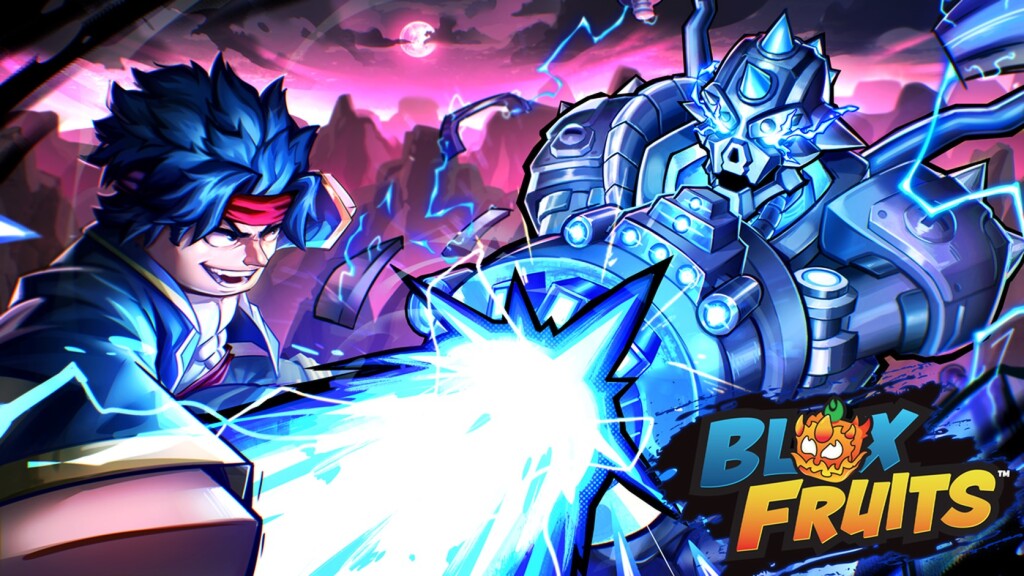
blox-fruits is the clearest illustration. It is one of the most-played games in the directory with 96,690 concurrent players and 65,030,486,358 lifetime visits, yet its log holds only four entries. That is not neglect — it is a game with a 65030 million-visit history being summarised by a handful of milestones. The number of entries reflects what the log chose to record, not how much the game has changed.
"First tracked" is the date this directory began recording the game's update history. It is not the game's release date, and confusing the two is the single most common error when reading these pages. The genuine release of a Roblox experience is often years earlier than when any third-party catalogue starts logging it.
adopt-me makes the distinction vivid: the log records two entries and a first-tracked date that sits 2891 days before the most recent entry. Nobody should read that as a two-update game. It means the catalogue has been watching this particular log for a long window and has recorded two moments within it. Treat first tracked as "how much history this page can speak to", not "how old the game is".
Latest patch is the one to check before you play, because it tells you whether the game you are about to open is the game people are talking about. A recent latest-patch date means the experience is being maintained and that any guide you find is probably still accurate. A stale one means you may be walking into a version that predates the community's current advice.
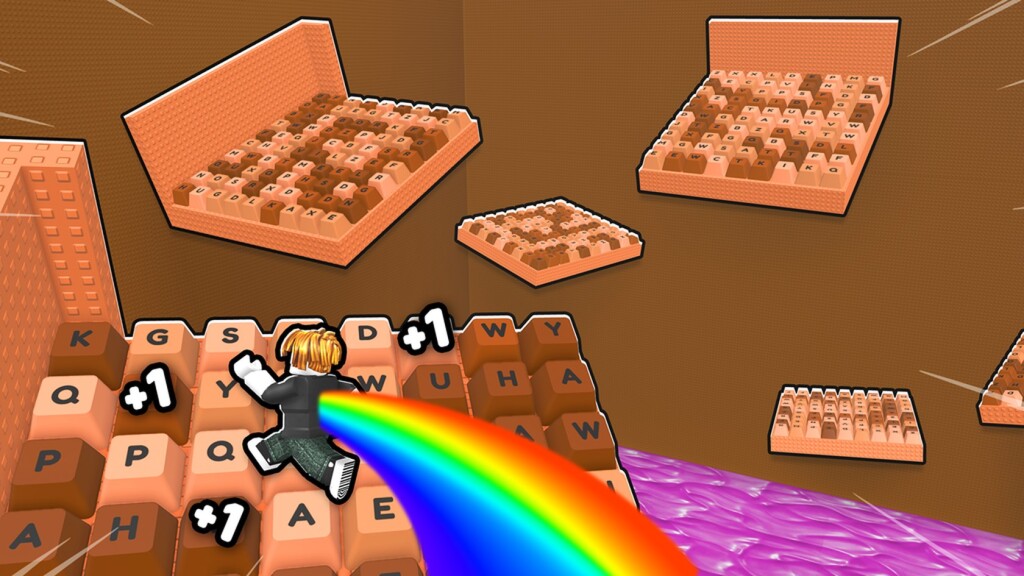
The freshest logs right now belong to the high-tempo end of the directory. dress-to-impress carries 13 entries with the most recent dated Oct 20, 2026, having been first tracked on Oct 04, 2026. speed-keyboard-escape shows a similar shape: 13 entries, latest Oct 19, 2026, first tracked Oct 05, 2026. Both are logging roughly one entry per day over their tracked window, which is what an actively iterated game looks like.
Divide the span between first tracked and latest patch by the number of entries minus one, and you get an average interval between updates. It is rough, and it assumes entries were evenly spaced, which they never are — but it separates two completely different kinds of game. At the fast end, speed-keyboard-escape, dress-to-impress and 13-entry new-sniper-sniper-arena all work out to roughly one entry per day. At the slow end, blox-fruits spans a window of 1911 days for its four entries, which is a cadence measured in years.
Neither pattern is better. A game with a daily log is iterating constantly, which usually means new content and also means yesterday's guide may already be wrong. A game with a sparse log is either stable — nothing needs patching — or dormant. Concurrency helps you tell which: blox-fruits still holds 96,690 players, so its sparse log reads as stability. A sparse log attached to an empty server reads very differently.
The useful routine is short. Check latest patch first to confirm the game is current. Check total entries second to see how much of its history this page actually covers. Check first tracked third, purely to calibrate how much weight to give the entry count. Then, if you want the game's own developer notes rather than a catalogue summary, read the log entries themselves — they are listed in reverse order underneath the summary.
Read the log alongside the codes page too, because the two move together. Codes are frequently issued alongside a patch, and a game with an active log is more likely to have working codes than one whose latest patch is months old. You can see the codes side for a heavily updated title at the Blox Fruits codes page. For a genre comparison that uses the same underlying data, the shooter genre page shows how two very differently-paced titles sit side by side.
These three fields never sit alone. Every game page in the directory also carries a codes section and the core statistics, and reading them together is what turns the summary into something useful. A log whose latest patch is recent, paired with a code list that has entries, is the strongest signal a catalogue page can give you that a game is being actively run. A recent patch with an empty code list is the common case and means nothing either way. A stale patch with a stale code list is the combination worth avoiding.
The concurrency figure settles the ambiguity. Of the 64 games here, the ones with the deepest logs tend also to be the ones carrying the most concurrent players, which is what you would expect if frequent updating keeps an audience present. But there are exceptions, and they are informative: blox-fruits maintains 96,690 concurrent players on a log of only four entries, which tells you its audience does not need constant novelty to stay. A game that needs weekly patches to hold a few thousand players is a more fragile proposition than one that holds 96,690 on four.
An entry in a log tells you something was recorded; it rarely tells you what changed in detail. Third-party logs summarise official patch notes rather than reproducing them, so balance changes, bug fixes and content drops all collapse into one dated line. If a specific mechanic matters to you, the log will tell you when to look but not what you will find. There is more on that boundary in the earlier piece on what update logs reveal, and a complementary view in what they cannot tell you. Treat the three summary fields as a filter for where to spend attention, not as the patch notes themselves.