

The hardest part of starting on Roblox is not learning the controls. It is deciding what to open first, because the platform gives you a firehose of recommendations and almost no way to tell which of them are genuinely popular rather than merely promoted. What follows is a different approach: take the 64 games in this directory that currently carry a complete three-statistic record — lifetime visits, concurrent players and favourites — and use those numbers to choose a starting point. Every figure below comes from the directory's own synced statistics, refreshed daily.
Lifetime visits is a running total that never goes down. It tells you how many times a game has been entered since it launched, which makes it the best available proxy for "this is a thing lots of people have tried". It is also the least useful number for predicting what tonight will look like, because a game can accumulate visits for years and then go quiet. Concurrent players is the opposite: it is a snapshot, taken at sync time, of how many people are inside the game right now. Favourites sits between the two. It is a deliberate act — someone pressed a button because they intend to come back — so it measures intent rather than curiosity or presence.
Across the 64 games with complete data, the directory holds 643,568,613,410 lifetime visits, 3,101,521 people playing at the moment of the last sync, and 759,947,925 favourites. Those totals are lopsided in a way that matters for a beginner: the visit number is enormous because it is cumulative, while the concurrent number is a few million because only a fraction of anyone is online at once. The ratio between the two, visits per concurrent player, is the single most useful derived figure for answering "is this game busy right now".
| Game | Lifetime visits | Playing now | Favourites | Visits per player |
|---|---|---|---|---|
| brookhaven-rp | 88,717,022,158 | 229,679 | 30,580,245 | 386,265 |
| steal-a-brainrot | 74,047,882,879 | 123,087 | 29,582,947 | 601,589 |
| blox-fruits | 65,030,486,358 | 96,690 | 20,100,375 | 672,566 |
| grow-a-garden | 35,980,734,358 | 16,045 | 11,452,282 | 2,242,488 |
| murder-mystery-2 | 31,464,769,407 | 428,227 | 24,573,772 | 73,476 |
| 99-nights-in-the-forest | 30,155,171,090 | 107,967 | 9,985,836 | 279,299 |
| tower-of-hell | 29,208,159,343 | 10,231 | 12,071,349 | 2,854,868 |
| the-strongest-battlegrounds | 19,452,711,019 | 34,805 | 7,732,932 | 558,905 |
The first thing to notice is that the visit column does not order the same way as the concurrent column. brookhaven-rp leads on lifetime visits with 88,717,022,158, but murder-mystery-2 is carrying more people at this moment — 428,227 against 229,679. If you want a server that feels alive on your first evening, the concurrent column is the one to read. If you want a game with years of community knowledge, walkthroughs and established etiquette behind it, the visits column matters more.
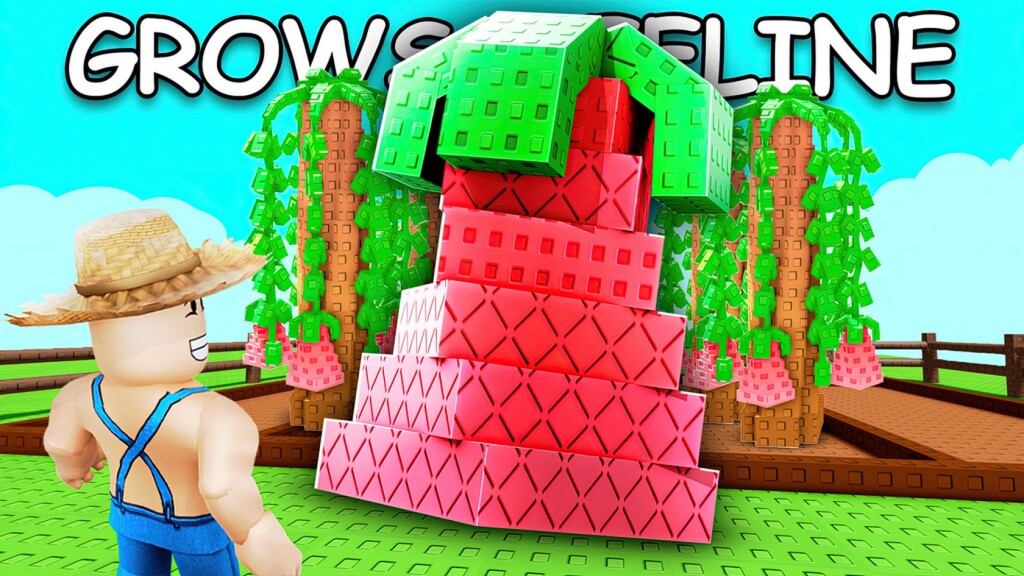
grow-a-garden is the clearest example of why you should read both columns together. It has 35,980,734,358 lifetime visits, which is enormous, but only 16,045 people playing — a ratio of 2,242,488 visits per concurrent player, one of the highest in the top eight. That pattern means a very large number of people have tried it and a comparatively small number are in it right now. For a beginner that is not a bad thing: a quieter server is a friendlier place to learn mechanics without being flattened by veterans. Compare murder-mystery-2, where the ratio is 73,476 — roughly 0.03276539272450956 times lower — and you get a game where the population is dense and the pace is fast.
tower-of-hell is the other end of the same spectrum and a genuinely good first pick for a specific kind of player. Its 29,208,159,343 visits are paired with just 10,231 concurrent, and it holds 12,071,349 favourites. The game is filed on the obby genre page, one of only four genre pages this directory maintains, and obby games have a structural advantage for newcomers: the rules are self-evident. There is a tower, you climb it, and the only thing you need to learn is the movement.
The directory maintains four genre pages — obby, roleplay, shooter and simulator — and it is worth being honest that most of these 64 games are filed under none of them. Genre browsing is a shortcut into a curated corner, not a complete index. If you already know you want a simulator, the simulator genre page collects eight titles and gives you a shortlist instantly. If you want to hang out rather than compete, the roleplay genre page is the one to open. But if you have no preference yet, ignore genre entirely and read the concurrent column, because it is the only figure that describes what the platform looks like tonight.
Start with tower-of-hell if you want to learn movement without pressure. Move to the Brookhaven codes page once you want a social space where nothing is at stake — Brookhaven's 30,580,245 favourites against 229,679 concurrent players tell you it retains the people who try it. Try the Grow a Garden codes page if you prefer slow, incremental progress where you can leave and come back. Save the high-concurrency picks like murder-mystery-2 for later in the week, once you are comfortable with the camera and the chat.
One thing worth doing early: check whether a game has codes before you invest time in it. Codes are distributed unevenly — 20 of the 64 games in this directory currently list any at all — and a game with an active code list usually has a developer who is still publishing. The beginner guide to accounts and first Robux covers the account side of this, which is worth reading before you spend anything.
There is a specific trap in picking a first game by reputation, and it is that reputation is backwards-looking. A game everyone tells you to try is usually a game that was popular when those people played it. The concurrent column is the only one in this table that is measured at the same moment you are reading it, which makes it the only one that can tell you whether the experience you are about to have will involve other people.
That matters more than it sounds on a platform where most games are multiplayer. A brilliantly designed game with 10,231 concurrent players is a different experience from the same game with 428,227. Neither is worse — some people deliberately prefer the quieter one — but you should choose knowingly rather than discovering it after you have queued. The other two columns are better used as tie-breakers. Between two games with similar concurrency, the one with more favourites is the one whose players intend to return, and the one with more lifetime visits is the one with more written about it.
None of these figures measure whether you will personally enjoy a game. Visit counts reward longevity and marketing; concurrency rewards whatever is currently fashionable; favourites reward games people intend to return to, which correlates with depth but not with fun. Use the table to narrow eight options to three, then spend twenty minutes in each. The data decides what is worth your first hour — it does not decide what is worth your hundredth.