

Roblox is not one game and there is no single answer to whether it is appropriate. It is a catalogue, and the entries in it range from gentle dress-up games to competitive shooters with voice chat. The useful question is never "is Roblox suitable" but "which of these is suitable", and the statistics on a directory page give parents more leverage on that question than the age labels do.
| Game | Playing now | All-time visits | Favourites |
|---|---|---|---|
| Steal An Egg | 1,389,408 | 6,819,997,855 | 6,828,357 |
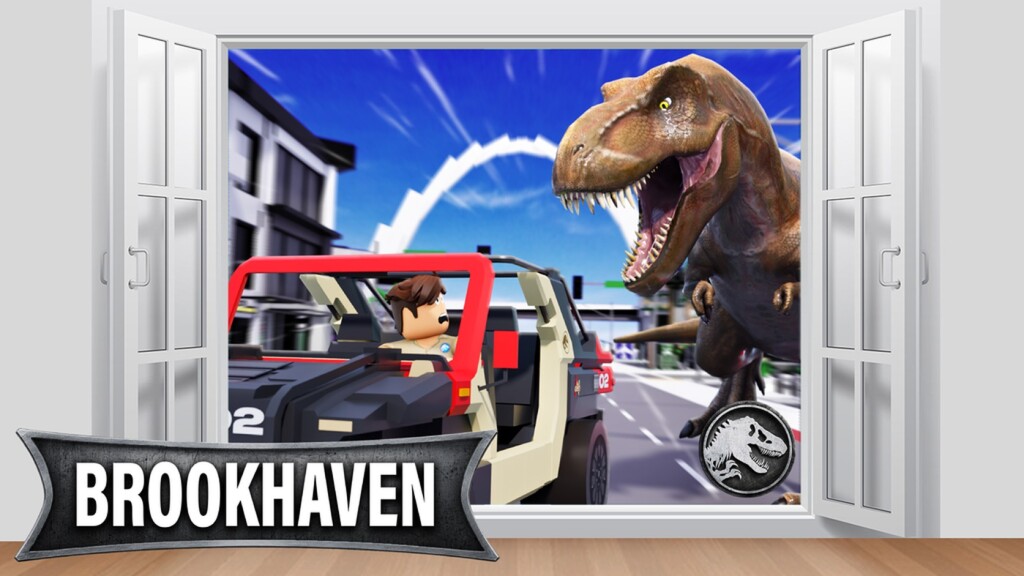
| Brookhaven | 193,738 | 88,256,193,477 | 30,333,432 |
| 99 Nights in the Forest | 176,072 | 29,882,354,836 | 9,772,546 |
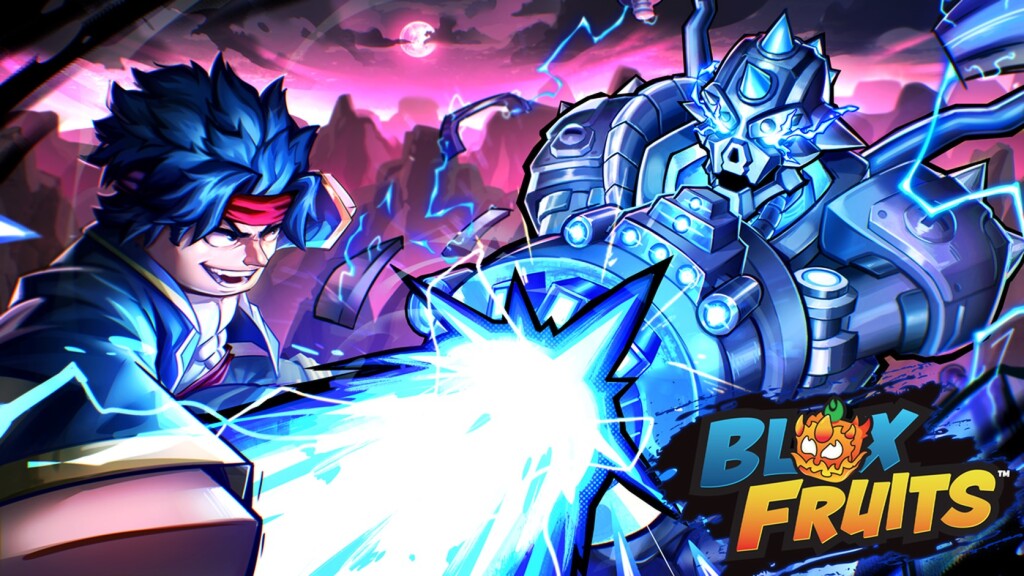
| Blox Fruits | 139,440 | 64,822,432,725 | 20,028,565 |
| Ride A Pet | 119,066 | 300,138,091 | 304,930 |
| Murder Mystery 2 | 106,487 | 31,058,182,417 | 24,356,555 |
| RIVALS | 99,357 | 18,540,949,800 | 93,896,497 |
| Dandy's World ALPHA | 90,258 | 7,535,646,959 | 4,681,253 |
Start with the genre, because it predicts far more than the rating does. The directory separates games into a small number of categories and the differences between them are stark. The roleplay games on BloxBus section is social spaces — Brookhaven with 193,738 players connected is the largest example and Dress To Impress with 27,057 is another. These have no fail state and no combat, and the main risk is unstructured social contact rather than content.
The shooter games on BloxBus section is the other end of the range. RIVALS currently has 99,357 players connected and Arsenal has 1,927. Both involve simulated firearms and competitive elimination. Whether that is acceptable is a judgement each family has to make, but it should be an informed one, and the genre label makes it easy to identify these games at a glance rather than discovering it after an hour of play.
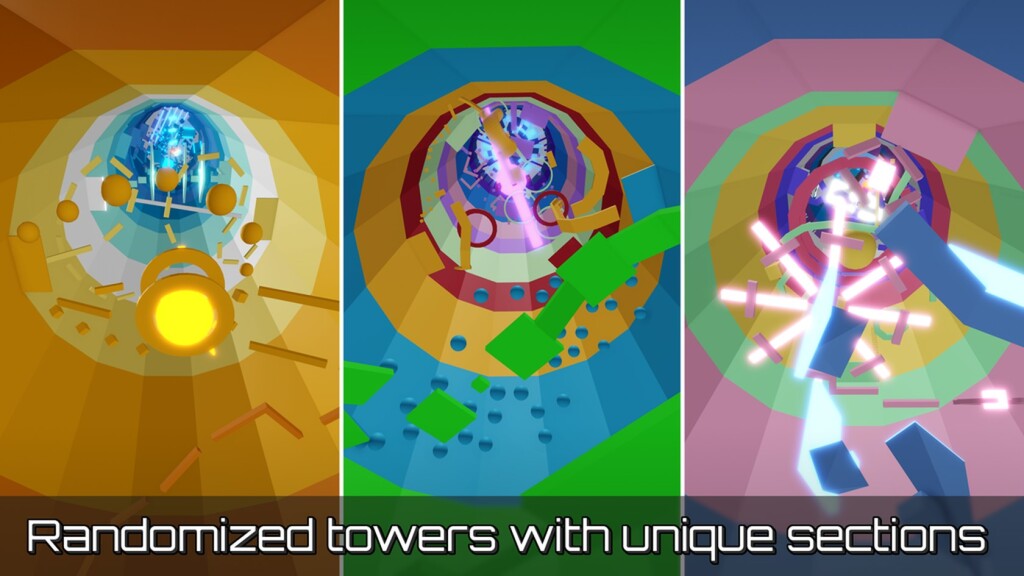
obby games on BloxBus games are generally the safest starting point for younger children. Tower Of Hell holds 29,076 players and +1 Speed Keyboard Escape holds 38,990; both are obstacle courses with no combat, no economy and no meaningful social pressure. The simulator games on BloxBus section — Fisch, +1 Loot To Forge and Sol's RNG — is also low-risk on content, with the caveat that these games are built around long-term collection loops and are very effective at encouraging daily return visits.
Content is the risk most parents worry about and spending is the risk that most often actually materialises. The catalogue is free to enter and almost everything in it has some form of optional purchase, and the design of those purchases is aimed at people who have not yet developed much resistance to them. Setting a spending limit and requiring approval for purchases before a child starts playing is far more effective than trying to police which games they choose afterwards.
It is also worth understanding that the pressure is structural rather than accidental. Games built around collection loops — which is most of the simulator games on BloxBus section — are designed so that progress slows unless money is spent, and limited-time offers create urgency deliberately. None of that is hidden, and none of it is unusual, but it works much better on a child than on an adult, which is the reason to set the controls up front rather than after the first unexpected charge.
The live player count is the most useful single figure here, because it tells you how crowded the social environment will be. A game with 193,738 people connected is a very different social space from one with a few hundred, and the risk profile scales accordingly. It is also worth checking the vote ratio: a game where a large share of players register a negative opinion often has problems with moderation or monetisation rather than with gameplay.
The second thing to look at is whether a game has an economy. Any game where items can be traded between players creates an incentive for other players to target children, and the directory gives you a hint: games with established trading databases and value lists are the ones where this matters. the Sol's RNG guide and the Adopt Me guide both cover games with active trading scenes. If a child is playing a game with trading, the conversation to have is about never accepting offers from strangers, regardless of how generous they look.
Third, treat any external site offering free currency, free items or account boosts as hostile. This is the single most common way families get caught out, and it applies across the entire catalogue rather than to specific titles. No legitimate source gives away paid currency, and every one of them is either harvesting credentials or running advertising fraud. Our walkthrough of how accounts and currency actually work covers the mechanics plainly enough to explain to a child, and our guide to reading update logs helps you check what has changed in a game since you last looked at it.
Is there a single age rating for Roblox? No. Ratings are set per experience, so two games in the same catalogue can be appropriate for very different ages.
Which genre is safest for young children? Obby games, generally — no combat, no trading, no unstructured chat pressure.
Should I worry about a game with a very high player count? Not about safety specifically, but a larger population does mean more unstructured social contact.
How do I check what a game is before my child plays it? Look at its genre category on the directory first, then its live population, then whether it has a trading economy.
Do I need to understand the games myself? No. Knowing which of the four categories a game belongs to is enough to make a reasonable judgement, and that takes one click.